what we know
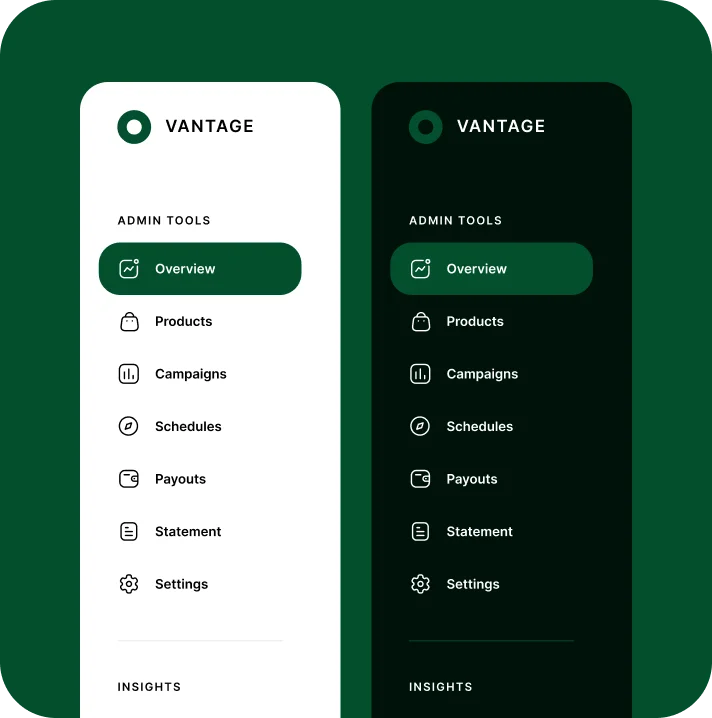
Having a well-made design system is achieving consistent user experiences and significantly reducing development time and costs by up to 40%.

Inconsistent user experience
Slower product development
Higher design and engineering costs
Poor cross-team collaboration
We identify user needs, analyse current design resources, define core patterns and document consistency gaps.
Strategy
Design system audit
Design principles
We define all visual rules (grid, colors, typography, spacing), followed by documenting clear guidelines.
Design rules
Core component library
Token architecture
Component inventory & prioritisation
Pattern library
Usage guidelines
We build a complete library of reusable and flexible components for efficient design-to-dev handover.
Documentation
Figma library setup
Versioning
Performance tracking
Cross-platform specifications (Web / Mobile)
Maintenance plan
Developer handoff
Implementation support

Complimentary deliverables & services
Design system audit
UI inventory and component analysis
Design principles and guidelines
Visual language definition
Component library creation
Variant and state definitions
Interaction and behavior guidelines
Responsive design standards
Accessibility standards and documentation
Figma component library
Token structure definition (colors, spacing, typography)
Developer handoff specifications
Governance and maintenance guidelines
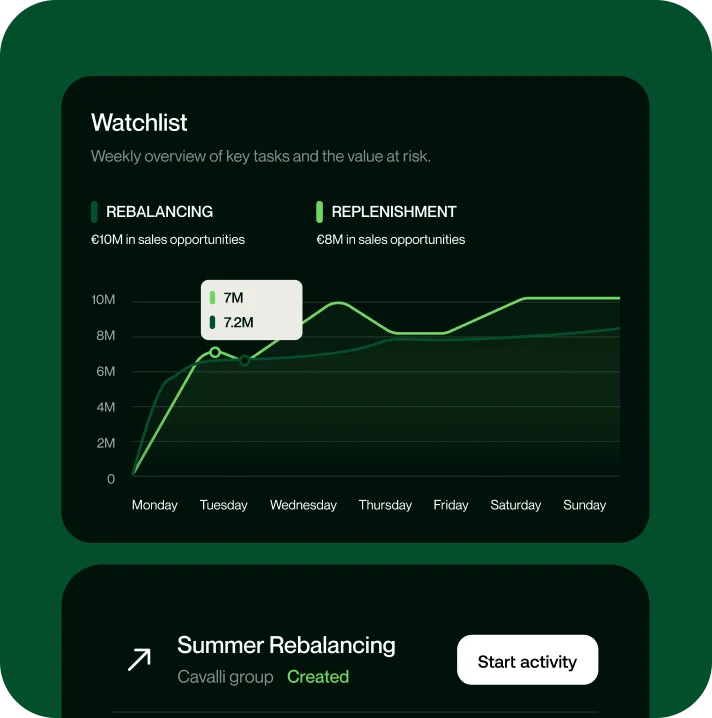
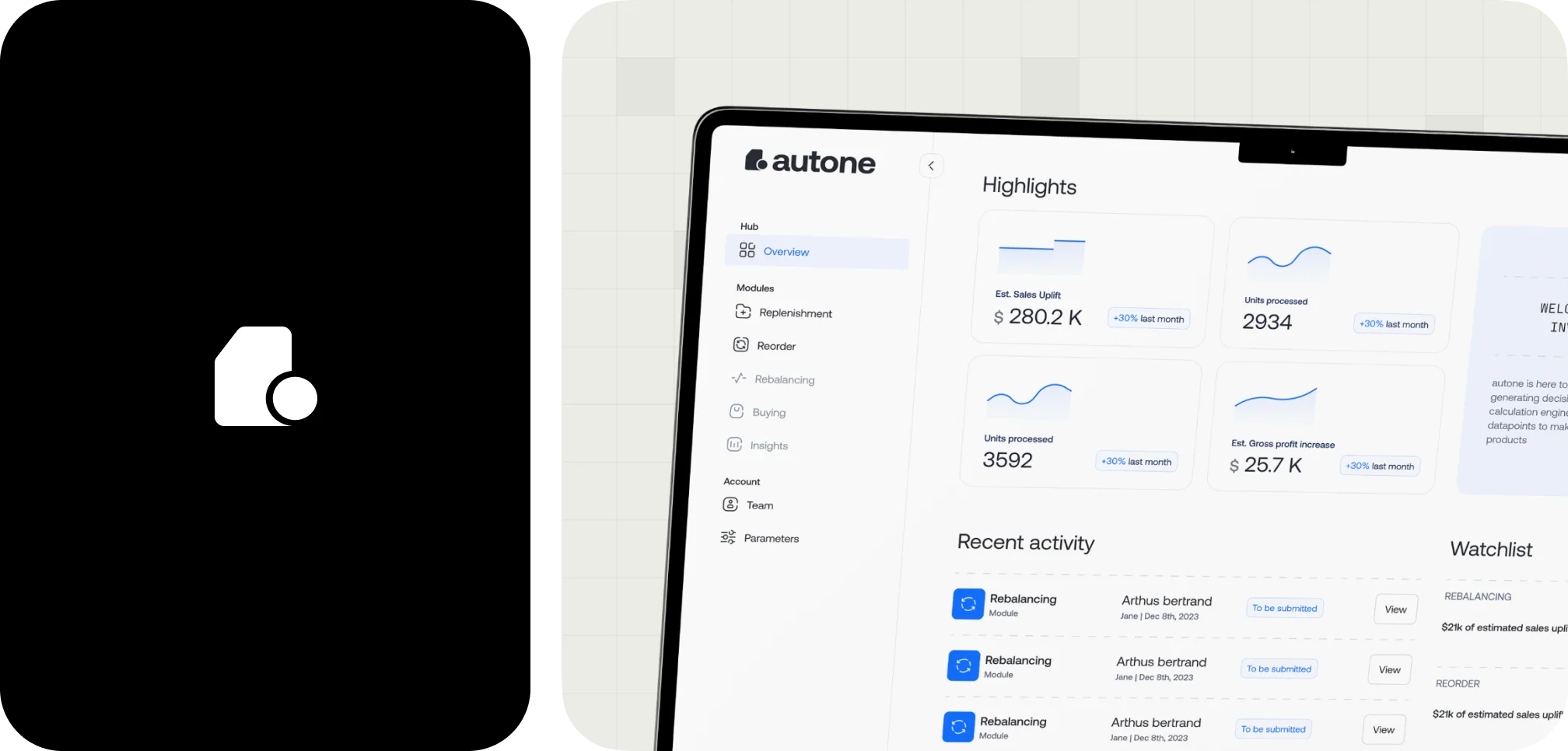
We’ve created three distinct dashboard app solutions and developed the strategy for the pitch and investor decks, produced an explainer video and developed marketing materials for social media use.

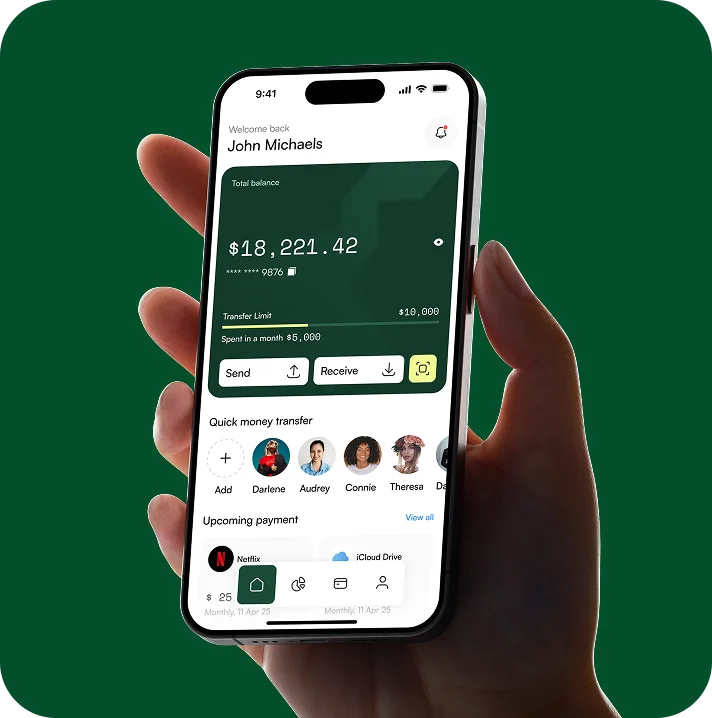
We supported their full product strategy, created a clear design system to remove guesswork, defined all design rules and redesigned their entire ecosystem: from mobile and web apps to their website.
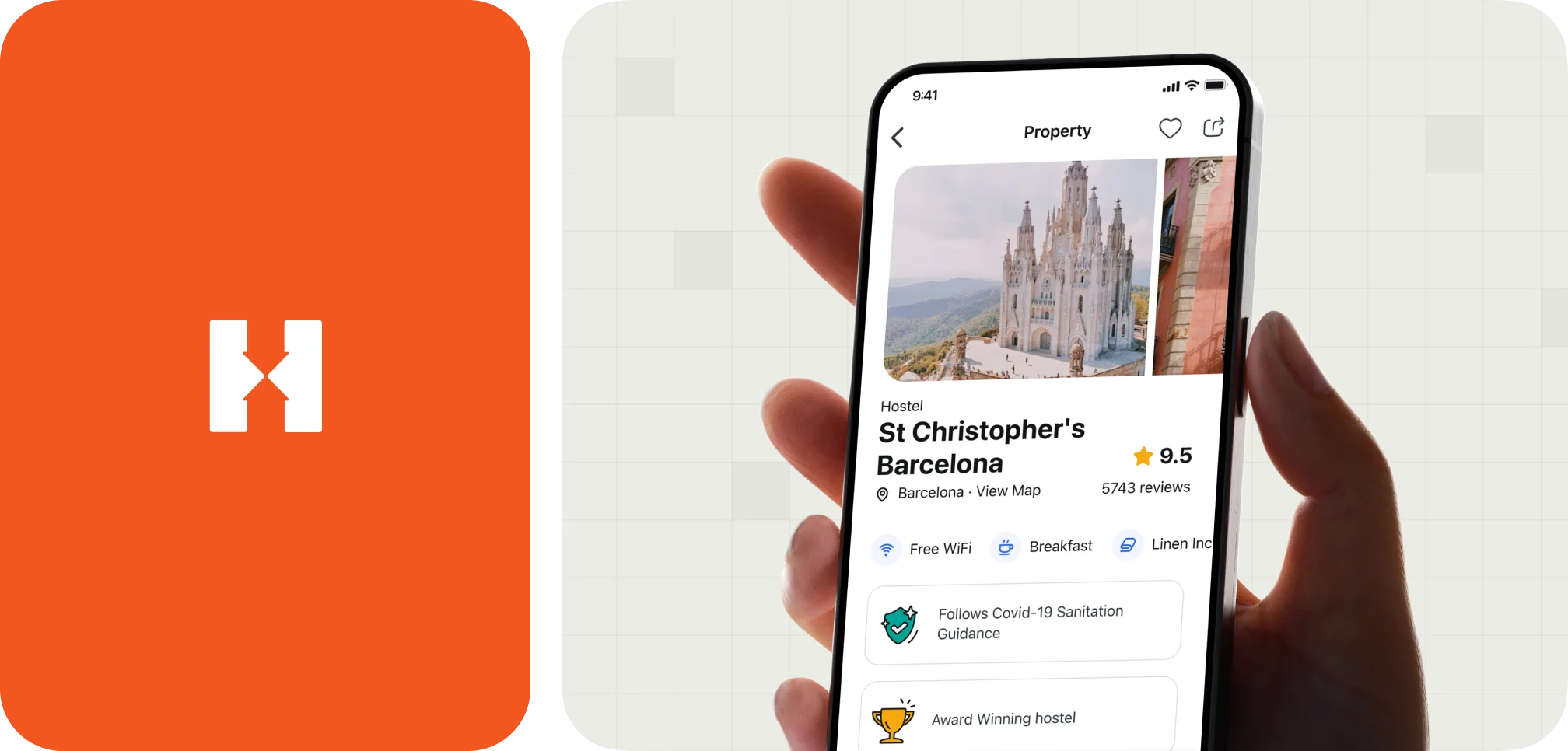
We've helped with the redesign of their main dashboard platform to deliver on the business success metrics: helping users save time, reduce errors and improve operational efficiency.
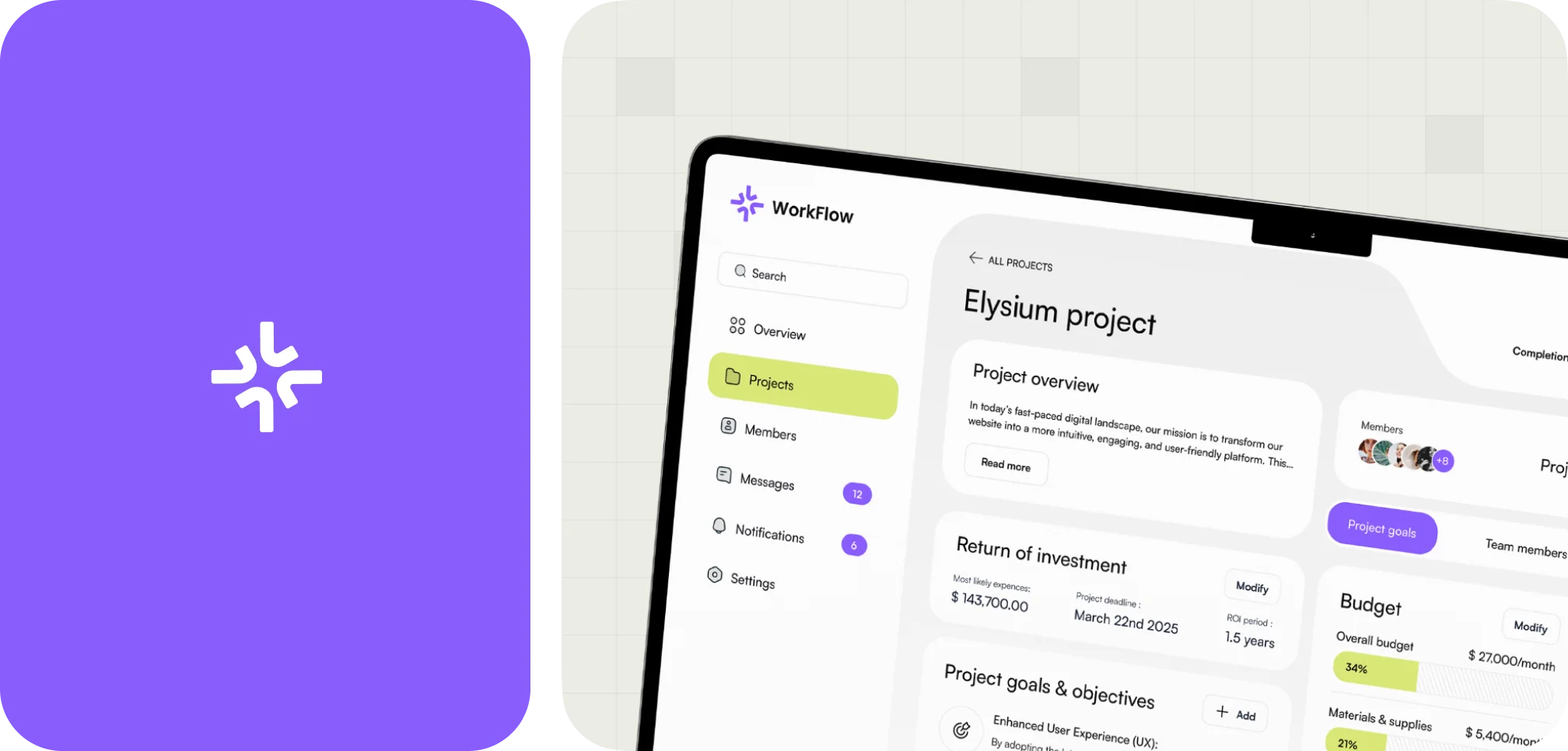
We designed a dashboard app for Workflow that makes project management feel more interactive, approachable and less like a chore.
+12 Awards won

Top Digital Design
Company in Romania
Clutch

Design Systems
Certified
Awwwards
Romania’s Most
Reviewed UX Partner
the manifest
Best Upcoming Digital
Design Company
Clutch
Product Design
Certified
Awwwards
Key metrics
Completed projects
all around the world.
Capital raised by
our startup partners.
Users reached with
products designed by us.
Over a decade of experience in
delivering impactful digital solutions.
Conversion rate
Hostelworld
after redesign
+39.49%
46Labs
after redesign
+37.02%
Autone
after redesign
+25.55%
+29%
on average
With our design system approach we’re able to save 2 days per week in feature development and time-to-market release time.
+40%
From the moment you contact us, it takes 5 days for us to get started on your project.
5days
Our work with Silicon Valley start-ups have taught us all about the level of quality required for businesses competing on a global level.
A+quality
What services does your design agency offer?
ElevenSpace offers a wide range of services including: dashboard design, web app design, design systems, mobile app design, website design, presentation deck, branding, usability testing.
We also offer solutions such as discovery workshops, UX audits, end-to-end product design, product scaling and product redesign.
What sets ElevenSpace apart from other design agencies?
ElevenSpace specialises in creating design systems that ensure consistency, scalability and efficiency across digital products.
This approach not only streamlines development processes but also enhances user experience, making products more intuitive and efficient:
- 75% faster time-to-market,
- 80% increase in consistency,
- 40% time and cost reduction.
What others think about ElevenSpace?
We're constantly delivering solutions: on time and on budget. We’re grateful to have received industry recognition from CLUTCH, for being one of the top user experience companies for Information Technology.
Quick links
Social media
Services
Solutions
industries
engagement models