1. Introduction
Here's an uncomfortable truth: hotels are pouring millions into guest apps and most of them end up unused, forgotten on people’s phones.
Why? Because they don’t actually make travel easier. Slow booking flows, confusing menus that instead of helping guests relax, add friction to a moment that’s supposed to feel effortless.
What should hospitality feel like though ?
Breezing through check-in after a long flight with zero waiting. Getting a restaurant recommendation exactly when you’re hungry.
Walking into your room and finding your preferred pillow already there, without saying a word.
After all, the best digital experiences should feel personal, warm and human.
The good news? Some brands have cracked the code.
In this guide, we’ll break down how they’re doing it and how you can build digital experiences guests genuinely love, use and recommend.
2. Understanding the Guest Mindset
If there’s one rule in designing guest-facing apps, it’s this: you’re building for real people, people who are tired, rushed, excited, stressed or simply trying to make the most of their stay.
Guests don’t want to dig through endless menus or hunt for basic actions.
They want one thing: less hassle and more time back. Because in travel, time is the most valuable currency.
What Guests Really Want
Convenience: Guests expect everything to work smoothly and instantly: mobile check-in, digital keys, one-tap service requests. The more effortless the flow, the more cared-for they feel (often without even realizing why).
Personalization: Today’s travelers crave experiences that feel made for them. From room suggestions to local dining picks, great apps should feel like a thoughtful friend. And when a system remembers small details (pillow preferences, favorite drink, loyalty tier), technology starts to feel like hospitality again.
Speed: Every second counts.Whether booking, finding amenities or requesting towels, fast responses signal respect for a guest’s time and that builds trust.
Not All Guests Are Alike
Understanding who your guests are is key. Business and leisure travelers have very different priorities:
Business travelers want predictability and speed such as :lightning-fast check-in, receipts on demand, loyalty perks, zero friction. Their perfect experience? Efficient, reliable, done.
Leisure travelers want discovery and inspiration: personalized recommendations, things to explore and options presented clearly so they don’t feel overwhelmed.
When you design with these differences in mind, you build apps that feel relevant, tools guests actually use, not apps they delete before checkout.
3. Key Principles of Successful Hospitality App Design
Have you stopped and asked yourself, what goes beyond the atrractive visuals ? It's an experience that should flow smoothly.
Here are the core principles that make it happen:
Keep It Simple and Intuitive
No one should need instructions to book a room or request extra towels.
The main actions: book, check-in, request, explore, should feel obvious and flow naturally.
A few details go a long way:
- Instant confirmations so guests know their request went through
- Light feedback animations that reassure something’s happening
- Clear, intentional call-to-actions that remove guesswork
If guests never stop to think, you’ve done it right. Every smooth interaction builds trust.
Personalization Feels Like Magic
True personalization goes beyond greeting a guest by name. It’s about anticipating what they might want next.
Examples of thoughtful personalization include:
- Highlighting favorite room types or amenities from past stays.
- Suggesting upgrades or experiences aligned with travel habits.
- Surfacing relevant offers at just the right moment.
Done well, it feels like the hotel already knows what you need, not like an algorithm trying too hard.
4. Lessons from Leading Brands
Some hospitality apps have figured it out: they feel effortless, intuitive and genuinely helpful. They remove stress instead of adding it and guests keep coming back because the experience just works.
Let’s jump into a few standouts:
Marriott Bonvoy & Hilton Honors
These apps are masters of personalization and seamless experiences. Guests can check in via mobile, unlock rooms with digital keys and track rewards with just a few taps. But what really sets them apart is the the thoughtfulness behind it.
What makes them stand out:
- Predictive personalization: The apps remember preferences like room type, floor or even pillow firmness, anticipating needs before the guest even asks. It’s the digital equivalent of a front desk clerk knowing exactly what makes you comfortable.
- Seamless loyalty integration: Points, perks and rewards are displayed clearly, giving frequent travelers instant access to benefits: no digging, no guessing.
- End-to-end convenience: From booking to arrival, in-stay requests and checkout, every interaction is frictionless, reflecting the high level of care guests expect in person.
Why it matters: Guests feel recognized, valued, and cared for, not just as app users, but as people. Technology doesn’t replace the personal touch; it enhances it.
Airbnb
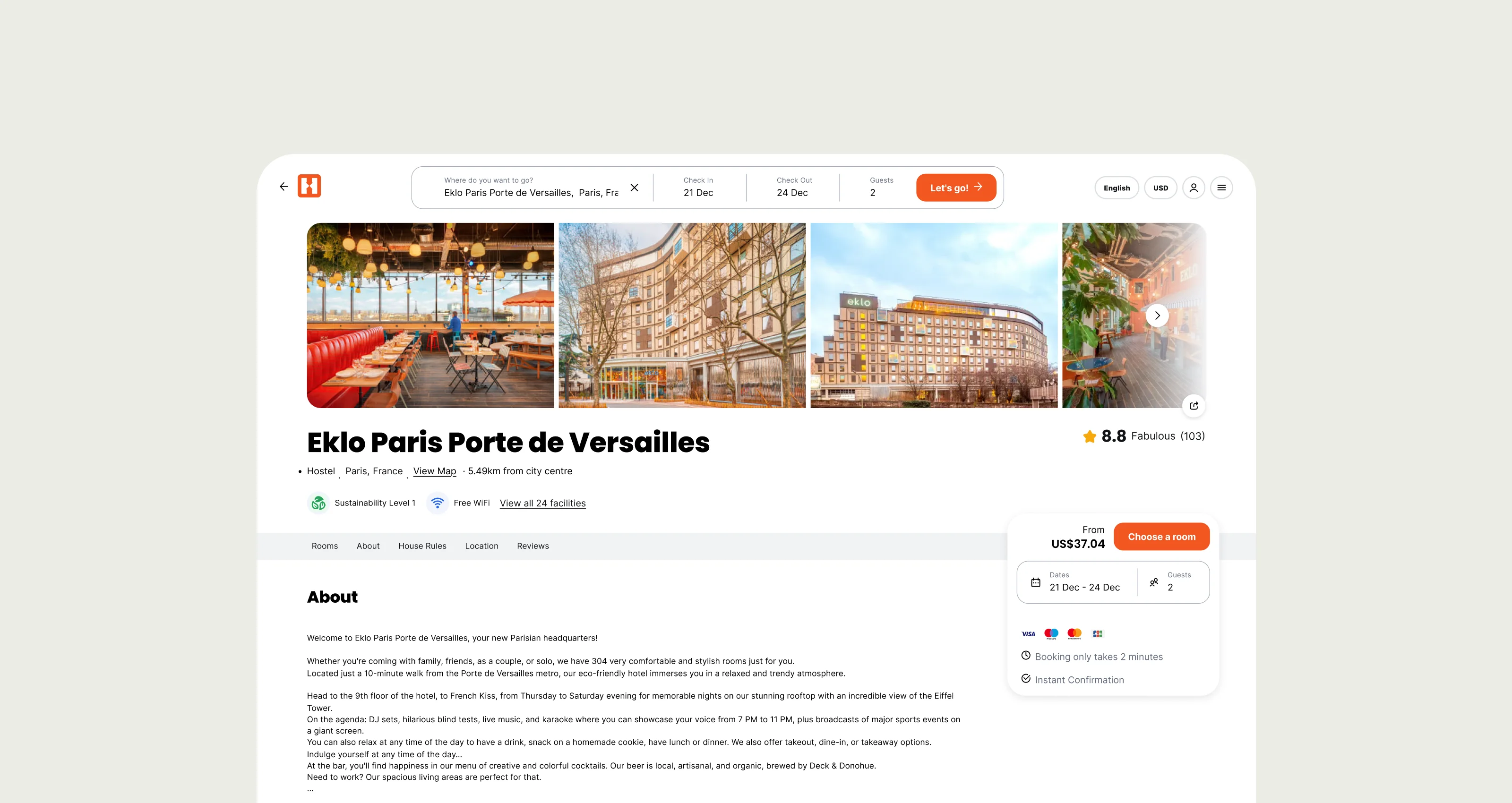
Airbnb excels at trust, clarity and simplicity. Their approach is all about giving guests confidence at every step; a principle that turns browsing and booking into a smooth, worry-free experience.
Key elements include:
- Transparent pricing: No hidden fees or surprises at checkout, which immediately builds trust.
- Detailed property information: Photos, amenities and descriptions give a realistic sense of the space, helping guests make informed choices.
- Host reviews and ratings: Social proof helps users decide quickly, reducing anxiety and uncertainty.
- Intuitive search filters: Guests can refine by location, property type, amenities or even “family-friendly” without feeling overwhelmed.
Why it matters: Airbnb removes friction and creates confidence, transforming the act of booking into a satisfying, trust-filled experience. Guests return not just because of the properties, but because they trust the process and know it will feel effortless every time.
Accor Hotels
Accor’s strength lies in integration; connecting multiple services in a single platform. Booking rooms, spa treatments, dining reservations and loyalty perks all happen within one cohesive app, giving guests a sense of control and ease throughout their stay.
Why it works:
- Integrated services: Guests can manage all aspects of their stay without bouncing between apps or platforms.
- Cross-platform consistency: Mobile, desktop and in-hotel kiosks offer the same look, feel and functionality, reinforcing familiarity and confidence.
- Supportive design: Clear pathways guide guests through complex actions like room upgrades or amenity bookings, making even tricky tasks feel effortless.
Why it matters: Integration reduces cognitive load and builds trust. Guests don’t have to think, they simply enjoy the experience.
Key Takeaways
The most successful hospitality apps don’t try to do everything. Instead, they focus on a few high-value actions and make them frictionless, delightful and reliable.
Whether it’s mobile check-in, rewards tracking or personalized recommendations, each touchpoint is designed to anticipate guest needs and create moments of effortless satisfaction.
In short: less is more. Focus on what truly matters to guests, do it exceptionally well and the app becomes an extension of the hotel’s hospitality, not just another digital tool.
5. Designing for Engagement
Getting a guest to download your app is a win, but keeping them engaged is the real challenge.
The goal is to become part of their travel routine.
Thoughtful design is what makes that happen.
Push Notifications: Gentle Nudges, Not Interruptions
The best push notifications feel like a friendly concierge:
“Your room is ready.”
“Spa availability just opened at 4 PM.”
“Here’s your digital key.”
They’re relevant, well-timed and genuinely useful. But send too many generic promos, and suddenly you’re just noise, especially when someone’s trying to relax.
Rule of thumb: only notify when it adds value.
Incentives: Give Guests a Reason to Use the App
Why should guests open the app instead of calling the front desk? Simple: make the app the easiest and most rewarding way to get things done.
Examples that work:
- Mobile check-in/out that saves time
- Exclusive in-app perks or upgrades
- Extra loyalty points for booking digitally
Little wins build lasting habits.
Gamification: Make It Fun
No one downloads a hotel app to play games but a little gamification can make the experience more engaging and surprisingly fun.
Examples:
- Progress trackers for loyalty status
- Achievement badges for repeat stays or app actions
- Surprise perks for hitting milestones
It taps into a basic human truth: people love progress and recognition.
6. Testing and Iteration
Here’s a secret: the best hospitality apps are never “finished.” They’re more like living, breathing products that evolve over time. Why? Because guest needs change, technology advances and what felt seamless last year might feel cluttered today. The smartest brands treat their apps as ongoing projects, not one-off launches.
Usability Testing: See Through the Guest’s Eyes
Designers and product teams know their apps inside out, but guests don’t. Watching real people use the app is the quickest way to uncover friction.
- A business traveler in a rush may stumble over a hidden check-in button.
- An older guest may find the font too small or the navigation confusing.
- An international traveler might give up if language options aren’t clear.
These small frustrations often go unnoticed by teams but make a huge difference to guests. Usability testing brings them to the surface before they impact loyalty.
A/B Testing: Fine-Tune What Works Best
Not sure if a one-step booking flow beats a two-step one? Test it. Want to see whether a loyalty dashboard works better as a progress bar or a tiered card layout? Test that too.
A/B testing allows brands to experiment in small, controlled ways. By comparing two variations of a feature, designers can measure which one resonates more with real users. It takes the guesswork out of UX decisions and ensures the app keeps getting better with every update.
Feedback Loops: Listen, Adapt, Improve
Guests are often happy to share what works and what doesn’t if you make it easy for them. In-app surveys, quick rating prompts or a simple “Leave Feedback” button give travelers a direct line to the product team.
The real magic happens when brands act on that feedback. If a guest reports that check-out is confusing and the next update makes it smoother, that guest feels heard and valued. And in hospitality, that sense of being listened to is just as important digitally as it is face-to-face.
7. Emerging Trends in Hospitality UX
Hospitality has always been about anticipating needs and creating memorable experiences. Now, digital design is helping hotels and travel brands do that at scale, sometimes in ways that feel almost magical. Let’s look at a few trends shaping the future of guest-facing apps.
AI-Powered Personalization: Beyond “Welcome Back”
AI is giving hospitality apps the power to act like personal concierges. Instead of generic offers, guests now see recommendations tailored to their unique habits and preferences.
- A frequent business traveler might see a quick-access option for express check-in and receipts.
- A couple on a leisure trip could get dining or spa suggestions aligned with their past stays.
- A guest returning to the same city might be offered their favorite room type before they even ask.
This goes far beyond greeting someone by name, it’s about making the app feel like it knows the guest and can anticipate what will make their stay smoother and more enjoyable.
Voice and Chat Interfaces: The Rise of the Digital Concierge
Typing on a small screen isn’t always convenient, especially when you’re juggling luggage or lounging by the pool. That’s why voice and chat interfaces are gaining traction.
- Guests can ask, “Can I get extra towels?” or “Book me a table for two at 8 PM,” and the request is instantly handled.
- In-app chatbots provide 24/7 support, while voice assistants in rooms act as digital concierges.
These features remove friction and make interactions feel natural, conversational and effortless.
8. Conclusion
At the end of the day, the success of a hospitality app doesn’t come from flashy features or cutting-edge tech alone, it comes from how well it serves guests.

When an app removes friction, offers thoughtful personalization and feels like a natural extension of the hotel experience, it stops being “just another download” and becomes something guests truly rely on.
We’ve seen this in action:
- Marriott and Hilton turning loyalty and mobile check-in into everyday essentials.
- Airbnb earning guest trust through transparency and intuitive design.
- Accor connecting services under one roof to simplify the entire guest journey.
The common thread? Guest-centered design. These brands focus on doing a few things exceptionally well, then wrapping those features in an experience that feels seamless and human.



.webp)
.webp)

